
Loading cart contents...
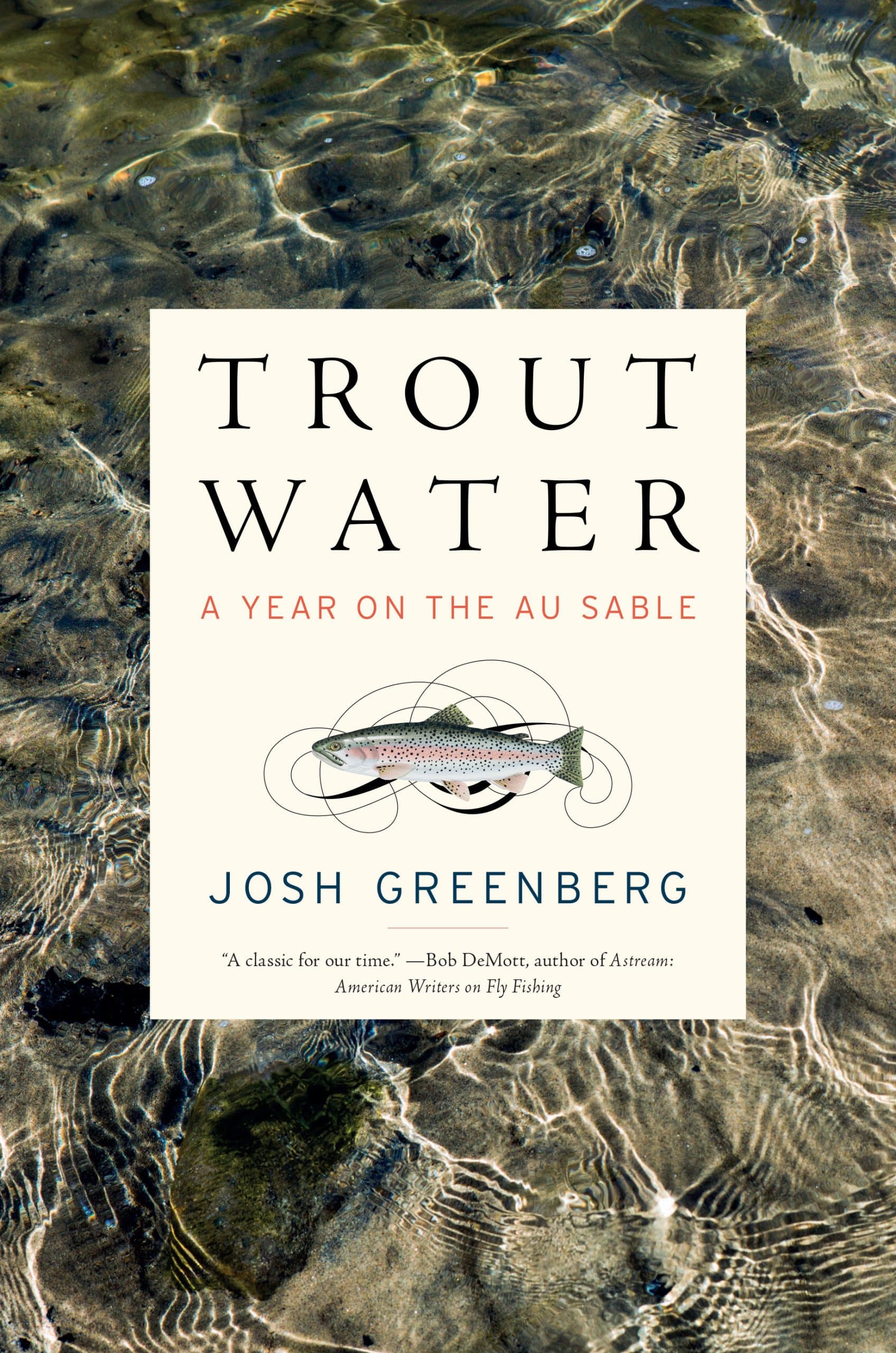
A Year on the Au Sable: Trout Water
24.99 JOD
Please allow 2 – 5 weeks for delivery of this item
Description
“Josh Greenberg is my kind of nature writer.”—The Wall Street Journal It’s the beginning of trout fishing season, and Josh Greenberg — proprietor of one of the nation’s most famous fishing outfitters, on America’s most iconic trout-fishing stream, the Au Sable River in Michigan —is standing in the Au Sable at dusk when he gets the call that a dear fishing buddy has died. The solace he takes from fishing — from reading the movement of the river water, studying the play of the light, and relying on his knowledge of insect and fish life — prompts him to reflect on the impact of the natural world on his life in his fisherman’s journal. Over the course of a year, the journal transcends fishing notes to include some beautifully lyrical nature writing, entertaining stories of the big one that got away, cheerful introspection about a love that’s hard to explain, and yes, a tip or two. Eventually, Josh Greenberg realizes he hasn’t been all alone in the woods, not really. Much of his relationship with his family and friends has played out on the river. And as he catches — and releases — trout after trout back into one of the most beautiful rivers in America, Greenberg comes to help us realize, too, that there’s more to fishing than catching fish.
Additional information
| Weight | 0.346175 kg |
|---|---|
| Dimensions | 1.651 × 15.9766 × 23.749 cm |
| Publication City/Country | USA |
| ISBN 10 | 1612199011 |
| About The Author | Josh Greenberg is the owner of the famous Gates Au Sable Lodge, and writes a popular, on-line fishing report that draws as many as 40,000 hits a month. He has contributed to several magazines, including Fly, Rod & Reel and Fly Fisherman. He is the author of Rivers of Sand: Fly Fishing Michigan and the Great Lakes Region. |
| Excerpt From Book | Introduction I originally meant this book to imitate one of my very favorite pieces of fly-fishing literature, John Waller Hills’s A Summer on the Test, but like with most things I begin (be it chicken coop or fishing outing) the end result differs greatly from my vision at the start. Some of this is material: my summer on the Au Sable, like all summers on the Au Sable, was different from the year before, and much different from the year it is now. Some of this is simply accounted for by my own nature, my propensity to constantly revisit, self-edit, question, and, finally, push forward on what seems at the time to be the best path. In this way, in my life, I often feel like I’m walking through a thick Michigan bog, just trying to find the river. This is my second attempt at an outdoor journal. The first, in New Zealand, fizzled into its clear rivers. But, while incomplete, and at times laughably bad, that first attempt provided the basis for this book. I recorded my entries at night as my kids settled into sleep in the bedroom next to my fly-tying room. The lateness of such entries undoubtedly colored my perception, just like every minute of every day colors our perceptions. But the Au Sable being a night river, and I being a night owl, it seems appropriate for the words to be hatched under starlight. Because I don’t cover it in the text, a simple introduction: I grew up in Ohio but spent my summers working at Gates Au Sable Lodge in Grayling, Michigan. Over time I’ve tied flies, served food, made beds, guided anglers, loaded reels, and, a little later in life, understood contracts, taxes, and balloon payments. But it’s the river outside the lodge, and the people that it connects, that has bound me to the business. And it’s the loss of these river people that is really the most difficult part of this job. Thinking for the dead is foolish, I know, but it helps. So in this way, this book is for those I’ve met and lost along the banks of the Au Sable, and whom I visit often for what I think of as their advice. As this pandemic swept through our real and virtual lives, the river has served as a sanctuary for people on both sides of a supposedly divided country. Owning a fly-fishing lodge on a popular river in a state split almost down the middle right and left allows me a top-view of a clientele equally similar and different, though it seems, powered by social media, that these differences are just more fun to defend ad infinitum, a doubling down on convictions that tend, in my opinion, to stray further and further from reality. If one fly-fished in such a manner, not a trout would be caught. Because trout are caught, I keep the faith that the greatest lessons of trout water haven’t been lost on us. —Josh Greenberg *** Chapter 1: Terry in the Bardo Every man takes the limits of his own field of vision for the limits of the world. —Arthur Schopenhauer, Studies in Pessimism May 5 When you’re waiting on the phone call that will inform you a friend has died, the only place I know to go is the river. It was evening when I arrived, and that’s when you look for rising trout on the Au Sable in May: when the river is silver with sky reflection and the edges are dark beneath the cedars. It was almost too early in the year to be looking for evening spinners, but I wasn’t looking for evening spinners. I was looking for the river. Only after I’d found the river, and sat on the bank edge, did I look for evening spinners. And, surprisingly, there they were: a small flight of Hendrickson spinners. They trailed unnaturally bright, seemingly luminescent yellow egg sacs—the only spot of color in this repressed spring. Okay, I thought. So maybe there’ll be some fishing to go with the phone call. Even to just see a trout rise would mean spring. I had a box of Hendrickson spinners I’d tied over the winter. There’s not much I like better than trying out a bunch of winter-tied flies on the first rising trout of the spring. There were no trout rising yet, and there wouldn’t be many in the high water. Many of the trout would be full with washed-in earthworms. The cold water would make them sluggish. But just one evening rise can alter the worldview of a spring-starved angler. I stood and began to hunt slowly upstream, walking the bank. The river was high and fast, but smooth. The Au Sable is the perfect canvas on which to paint a rise. I saw no rises, however. I saw hardly any life in any form. There was no one in the valley. No one. The river cabins stood empty, their owners downstate or somewhere south, and the cabins had broken branches on their roofs and in their yards, detritus from the long winter. There were no cars or barking dogs or canoers. The river was one cloudburst from being blown out. It was still so brown and quiet, the trees still barren; you’d have thought it was a warmish November evening. I was determined to find a rising fish. No blind-fishing of any sort: rising trout or bust. I snuck through the flooded shore grass and alders, hunting the surface for rings. Further up the flooded bank, I had to pick through some beaver work. I’d trapped a beaver from this same bank this past winter and used the fur to tie the body of the fly on my hook keeper. I try to examine life, but not fishing and hunting, which I love. It is not an addiction. The examined life is preferred, but it’s dangerous to examine love. |
Only logged in customers who have purchased this product may leave a review.
Related products
![]()
On backorder 2-5 Weeks to Arrive
10.99 JOD![]()
On backorder 2-5 Weeks to Arrive
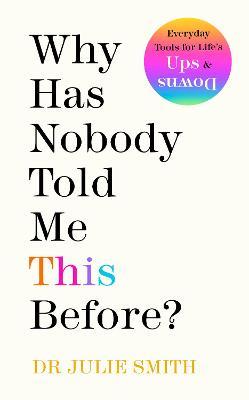
10.99 JOD![Why Has Nobody Told Me This Before? : The No 1 Sunday Times Bestseller 2022]()
Available To Order
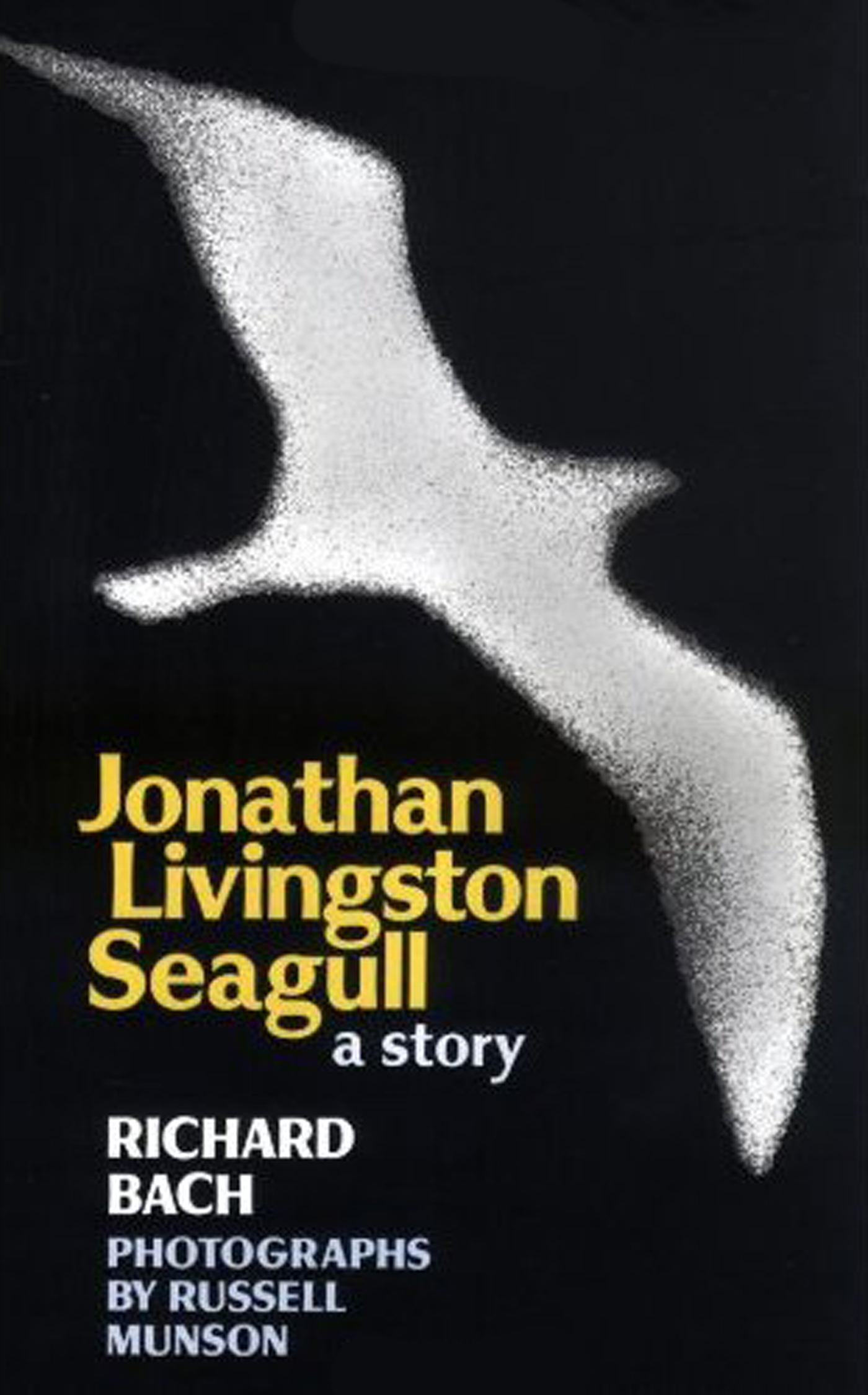
18.99 JOD![Jonathan Livingston Seagull]()
On backorder 2-5 Weeks to Arrive
16.00 JOD


Reviews
There are no reviews yet.