
Loading cart contents...
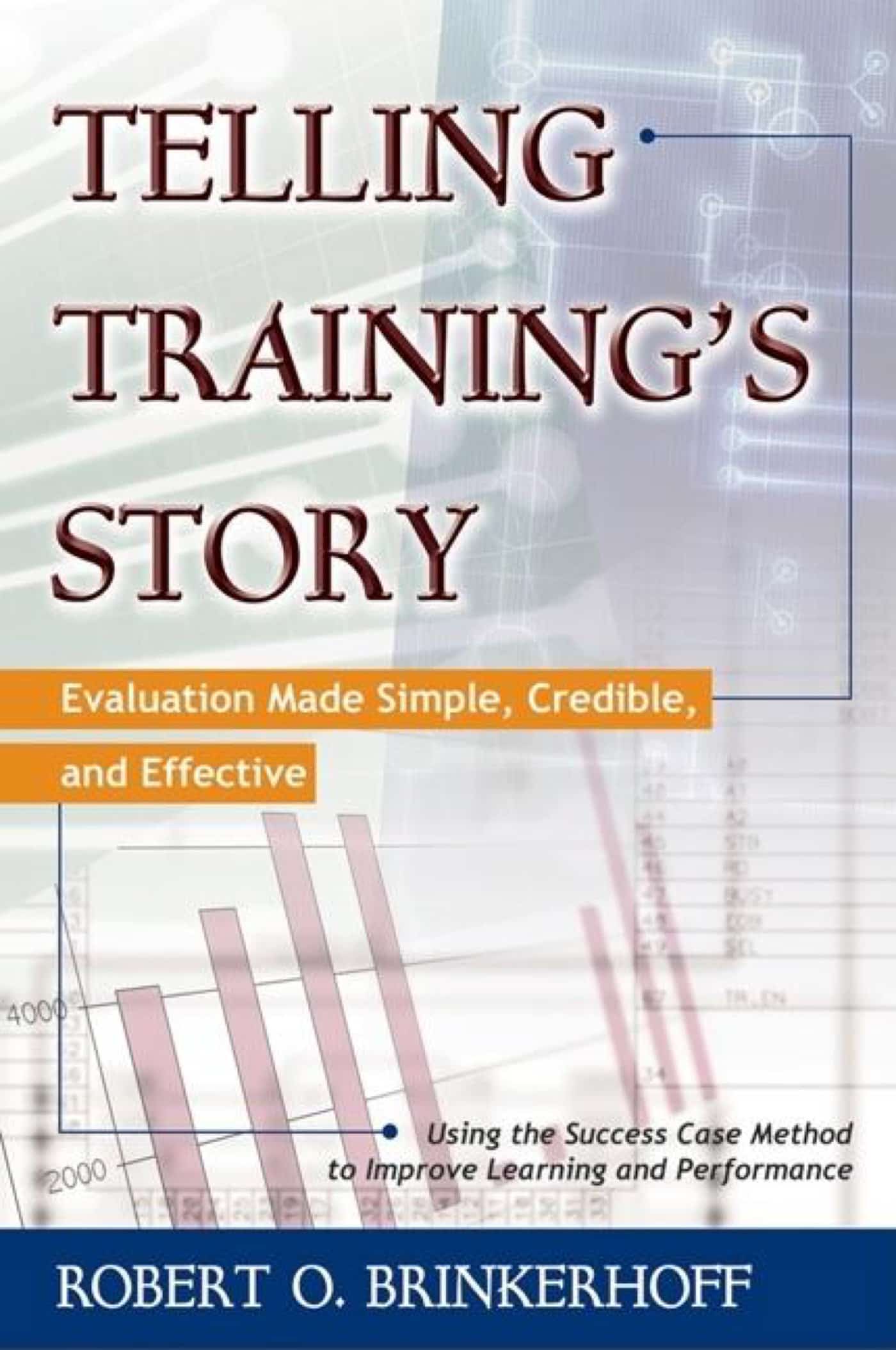
Telling Training’s Story: Evaluation Made Simple, Credible, and Effective
25.00 JOD
Please allow 2 – 5 weeks for delivery of this item
Description
You know it in your gut—training and development is valuable and worthwhile. But as a trainer, you need to prove this fact over and over to clients focused on bottom-line results. While most training evaluation methods are too elaborate, too complex, too costly, too difficult to explain, or worse, produce data that nobody believes, Telling Training’s Story offers a simple, compelling way of evaluating training’s impact: The Success Case Method (SCM). Based on careful analysis of participants’ first-person accounts of their experiences in a training initiative, SCM doesn’t just measure the impact of training, but pinpoints the very factors that make or break training success. Filled with examples, illustrations, tools, and checklists, Telling Training’s Story not only shares the power of the Success Case Method to evaluate training, it also offers practical step-by-step guidelines for increasing the ROI of future learning and performance initiatives.
Additional information
| Weight | 0.44 kg |
|---|---|
| Dimensions | 1.58 × 15.24 × 22.86 cm |
| PubliCanadation City/Country | USA |
| ISBN 10 | 1576751864 |
| About The Author | Robert O. Brinkerhoff, an internationally recognized expert in evaluation and training effectiveness, has provided consultation to dozens of major companies and organizations in the United States, South Africa, Russia, Europe, Australia, New Zealand, Singapore, and Saudi Arabia. Dr. Brinkerhoff’s clients include leading companies and agencies in virtually all corporate, government agency, and non-profit sectors. An author of numerous books on evaluation and training, Dr. Brinkerhoff, has been a keynote speaker and presenter at hundreds of conferences and institutes worldwide. Many leading corporations and agencies have adopted his methods and tools for training evaluation and effectiveness. |
No messy statistics, no complicated formulae, no squishy metrics. Brinkerhoff's Success Case Method is a robust and elegant approach to delivering substantive and believable evaluation data about the measurable impact of training and HR interventions.” —Marguerite Foxon, PhD, Principal Performance Technologist, Motorola "I like the approach that Brinkerhoff has used…. You, the reader will be able to adapt his solutions to your own." —Donald L. Kirkpatrick, PhD, author of Evaluating Training Programs: The Four Levels "The Success Case method is the most relevant and compelling way to put educational results in the right light, and reach the results you’re after.” —Louise Korver-Swanson, Senior Vice President, Executive Development, Bank of America "This book is a ‘must’ for anyone who is serious about learning solutions and the results they can produce. The Success Case Method is simple and practical while yielding compelling and reliable information on training results." —Dana Gaines Robinson, coauthor of Performance Consulting: Moving Beyond Training and Strategic Business Partner: Aligning People Strategies with Business Goals | |
| Table Of Content | Preface Acknowledgments Part 1 Chapter One Getting to the Heart of Training Impact Can We “Prove” Training Impact? Chapter Two How the Success Case Method Works: Two Basic Steps Training Evaluation Realities The Success Case Method: Step by Step Chapter Three Success Case Method Strategy—Building Organizational Learning Capacity The Determinants of Training Impact Learning Alone Is Insufficient Risks of the Common Training Evaluation Strategy An Evaluation Strategy for Building Organizational Learning Competence A Fundamental Shift in Focus Redefining the Evaluation Process Implementing the Strategy to Drive Change Chapter Four Focusing and Planning a Success Case Method Study 1. Clarifying the Purpose of the SCM Study 2. Meet with and Discuss the Study with Key Stakeholders 3. Define the Program That Is to Be Studied 4. Define the Population of Participants to Be Studied, and Identify Any Needed Sampling Parameters 5. How Soon After the Training to Conduct the Survey 6. Establishing a Schedule for the Study 7. Specify and Confirm the Resources Available for the Study 8. Finalize the Success Case Strategy Chapter Five Constructing a Simple Training Impact Model Elements of the Impact Model Constructing an Impact Model Chapter Six Fishing for Success Conducting the SCM Survey Defining the Survey Step Conducting the SCM Survey Chapter Seven Sorting the “Catch”—Analyzing Survey Results Scoring and Sorting the Survey Response Choosing Interviewee Candidates Analyzing Data to Estimate Nature and Scope of Impact Chapter Eight Digging Out and Telling the Stories— the SCM Interviews Resolving Causal Questions The SCM Interview Structure Preparing for the Interviews Chapter Nine Drawing Compelling Conclusions The Eight Major SCM Conclusions Conclusion Type One: What, If Any, Impact Was Achieved? Conclusion Type Two: How Widespread Is Success? Summary of Final Conclusions Conclusion Type Three: Did the Training Work Better in Some Parts of the Organization, or with Some Types of Participants, Better than Others? Conclusion Type Four: Were Some Parts of the Training More Successfully Applied than Others? Conclusion Type 5: What Systemic Factors Were Associated with Success and a Lack of Success? Conclusion Type Six: What Is the Value of Outcomes Achieved? Conclusion Type Seven: What Is the Unrealized Value of the Training? Conclusion Type Eight: How Do the Benefits of the Training Compare with the Costs? Part 2 Chapter Ten Sales Training at Grundfos The Setting Purposes of the SCM Study Organizing the Study Challenges and Constraints The SCM Chronology The Impact Model Survey Actions After the SCM Study Chapter Eleven Service Technician Training at the Compaq Computer Corporation Other Important Factors Preparing for the Evaluation Evaluation Results The Rest of the Story Chapter Twelve Coaching and Training at Coffee Bean and Tea Leaf The Business Scenario The Training Intervention The Evaluation Purpose SCM Study Procedures Survey Results Interview Results Recommendations Challenges and Lessons Learned Chapter Thirteen Executive Development at Allstate Insurance Evaluation Purposes The Evaluation Process Challenges and Constraints Results Conclusions Recommendations Lessons Learned References Success Case Method Assistance and Resources Index About the Author About Berrett-Koehler Publishers |
Only logged in customers who have purchased this product may leave a review.
Related products
![]()
On backorder 2-5 Weeks to Arrive
![]()
On backorder 2-5 Weeks to Arrive
![]()
On backorder 2-5 Weeks to Arrive
![]()
On backorder 2-5 Weeks to Arrive
8.99 JOD




Reviews
There are no reviews yet.